🧂 Čerstvé pekařské droždí 42 g — Co to je
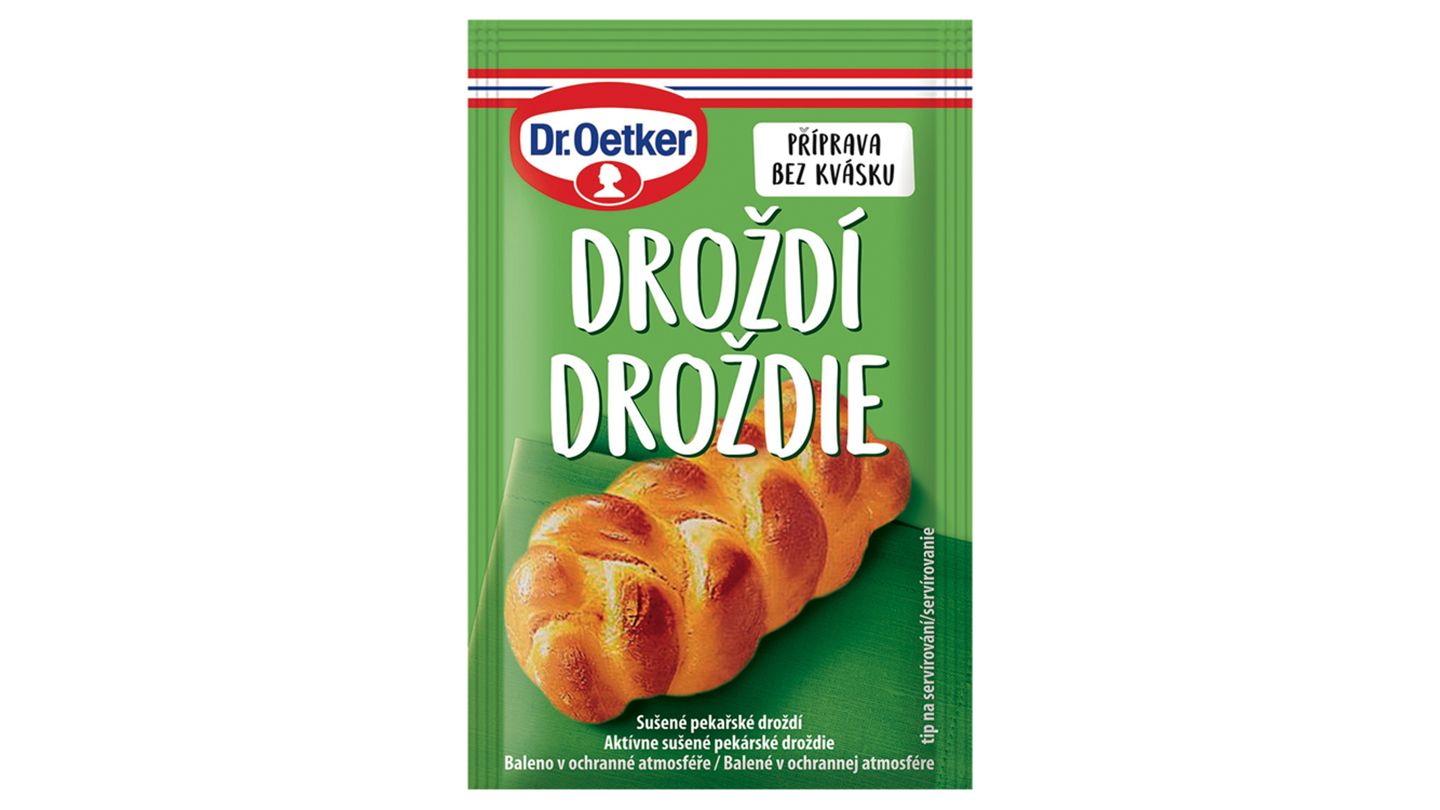
Čerstvé pekařské droždí je živá kulturа mikroorganismů (kvasinek) Saccharomyces cerevisiae používaná jako kypřící prostředek při pečení kynutých těst — chleba, rohlíků, buchet, sladkého i slaného pečiva. Droždí je lisované, mazlavé/drobivé a prodává se chlazené v kostce o hmotnosti 42 g.
-
Hmotnost: 42 g
-
Forma: čerstvá kostka
-
Kategorie: pekařské droždí / kvasinky
-
Použití: kynutí těst u pečení i některých pokrmů z droždí (např. pomazánky)
🧪 Složení a alergeny
✔️ Složení:
-
Živé kvasinky (Saccharomyces cerevisiae) — jediná složka droždí.
⚠️ Alergeny:
-
Droždí obecně nepatří mezi běžné alergeny jako mléko nebo obiloviny (např. lepek), ale nekonzumuje se přímo jako potravina — používá se při pečení. Většina komerčně prodávaných variant neobsahuje lepek ani laktózu a je vhodná i pro vegany.
📊 Nutriční hodnoty (orientačně na 100 g)
(Nutriční údaje uvedené pro droždí 100 g — pro 42 g je to trochu méně, ale proporčně stejné.)
| Složka | Na 100 g výrobku |
|---|---|
| Energetická hodnota | ~477 kJ / 114 kcal |
| Tuky | ~2 g |
| – z toho nasycené | ~0,5 g |
| Sacharidy | ~5 g |
| – z toho cukry | ~4 g |
| Bílkoviny | ~14 g |
| Sůl | ~0,06 g |
| Vláknina | cca 8–10 g (u některých značek) |
👉 Droždí jako živý mikroorganismus obsahuje hodně bílkovin a vlákniny a relativně nízké množství tuku a sacharidů, ale většinou se neje konzumuje celé množství najednou, ale používá se při pečení těsta.
🍞 Jak se používá
📌 Základní pravidlo:
➡️ 1 kostka (42 g) droždí na cca 1 kg mouky — klasický poměr pro kynuté těsto.
✔️ Postup:
-
Rozdrob droždí do malé misky.
-
Rozpusť ho v teplé tekutině (cca 30–38 °C) s trochou cukru (cukr podporuje aktivitu kvasinek).
-
Nech směs pár minut „pracovat“, aby se droždí aktivovalo (vznik pěny).
-
Přidej do mouky a pokračuj v přípravě těsta.
📌 Droždí je vhodné pro:
-
🍞 chleba, bagety
-
🥐 housky, koláče, buchty
-
🍩 sladké kynuté pečivo
-
🍕 pizzu či kynuté těsto na slané pokrmy
🧊 Skladování
➡️ Uchovávej v chladu: obvykle +1 °C až +10 °C, nejčastěji v lednici (4 °C – 8 °C).
➡️ Čerstvé droždí je krátkodobé: trvanlivost je cca 2–4 týdny v chladu — čím dříve použiješ, tím lépe pracuje při kynutí.
💡 Pokud droždí ztmavne, vyschne nebo má nepříjemný zápach, raději ho nepoužívej — může ztratit aktivitu.
🧠 Shrnutí
Čerstvé pekařské droždí 42 g je živá kvasinková kultura (Saccharomyces cerevisiae) používaná při pečení kynutého těsta. Umožňuje těstu nakynout, protože produkuje CO₂, které dělá pečivo nadýchané a měkké. Má vysoký obsah bílkovin, je nízkotučné a neobsahuje běžné alergeny jako lepek či mléko (pokud není smíšené s jinými přísadami). Skladuj ho v chladu a používáš ho podle množství mouky (např. ~42 g na ~1 kg mouky).